
Finding a Prince Edward County Property Owner
To find out who owns a property in Prince Edward County, start with the county's real-estate ownership record. Then confirm the name against the newest recorded deed. That pairing answers a records question. Whose name sits on the county roll? Which grantee took title through the recorded conveyance? It does not settle who lives in the building or whether the title is clean. An address can help you locate the land. The GPIN and legal description keep your Prince Edward County property search anchored to one parcel across the assessment roll, the deed index, and the map.
- Confirm that the parcel lies in Prince Edward County, especially when the mailing town is Farmville.
- Use the Commissioner record to identify the county owner field and parcel key.
- Search the newest deed in Virginia SRA using the grantee name and parcel context.
- Compare the grantor, recording date, legal description, and prior reference with the county record.
- If the grantee is an entity or fiduciary, check the relevant filing or estate record without assuming who controls it.
- Owner of record
- The name carried by the county ownership record or newest recorded deed.
- Vesting
- The capacity or form in which the deed names a grantee.
- Grantee
- The recipient of the interest conveyed in an instrument.
- Situs / mailing
- The physical parcel address and tax-mail destination are different fields.
The owner question is really a land-matching question. For a fuller address-to-record walkthrough, the Prince Edward County property search lays out each step, because finding the right parcel matters more than spotting a familiar name.
Prince Edward County Roll and Deed
Prince Edward splits the work. The Commissioner of the Revenue keeps the county ownership roll. The Circuit Court Clerk records deeds and other land instruments. Timing matters here. A recent sale can show up in the deed index before the assessment record catches up. The county publishes no standard lag for its owner roll. Compare the deed's recording date with the assessment year the county shows. Call the Commissioner if the two disagree.
The newest grantee named in the Clerk's deed records is the strongest evidence of a transfer. Still, read the instrument itself. A deed may carry reservations, exceptions, or a sketchy legal description. A deed of trust is security, not ownership. The index can still give you parties and a date. That holds even when the image itself demands a subscription or a visit to the counter.
Virginia's Secure Remote Access index leads to the recorded instrument citation. For owner-roll questions, the Commissioner's office answers at 434-392-3231.
Entity Owners in Prince Edward County
The grantee is not always a person. It may be an LLC, trust, estate, or named fiduciary. Copy the name exactly as the deed spells it, punctuation and role included. Then compare it with the owner string on the Commissioner's record. Virginia's State Corporation Commission can show business entity filings and a registered agent. The agent's address is not the property location. A filing never replaces the conveyance itself.
For an LLC, note the entity name and filing status. Compare the filing with the deed signature and legal description. Never assume a natural person behind a trust or company. An official record must make that link. For an estate transfer, the Clerk may hold a fiduciary deed, will, or court order. These explain the grantee.
The Virginia SCC business search works as an entity cross-check. It is not an owner-name database for every parcel.
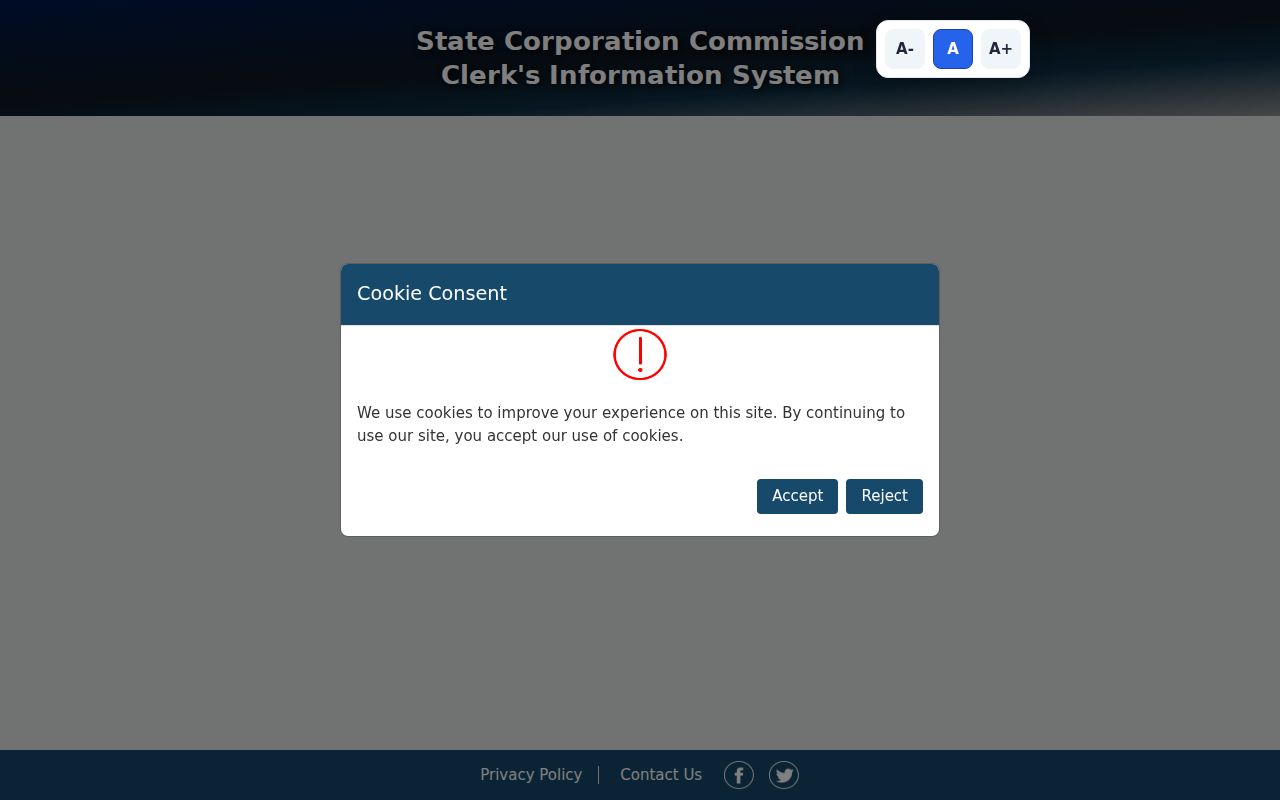
Keep the entity filing citation beside the deed citation so each source remains clear.
Prince Edward County Owner Record Sources
Start with the County Commissioner. The Commissioner keeps the current assessment roll. The roll names each parcel's owner of record. But a name alone can be one link in a longer chain. A recorded deed names the grantor and grantee for the described land. An estate transfer may surface instead. It can arrive through a court order, fiduciary deed, or deed of distribution. The listed owner may be an LLC, corporation, or another entity. Take that name to the Virginia State Corporation Commission's business database. Those SCC filings reveal the entity's legal name, registration details, and status. They do not, however, show who holds the land. The deed must name the entity as grantee.
Keep the source types straight. The assessment roll exists for taxation. The Clerk records the land book. SCC filings cover the entity alone. For the county's owner-of-record fields, the assessment portal is the route. The live parcel page posts current values. Open the County e-Commissioner records portal to inspect the county-side record yourself.
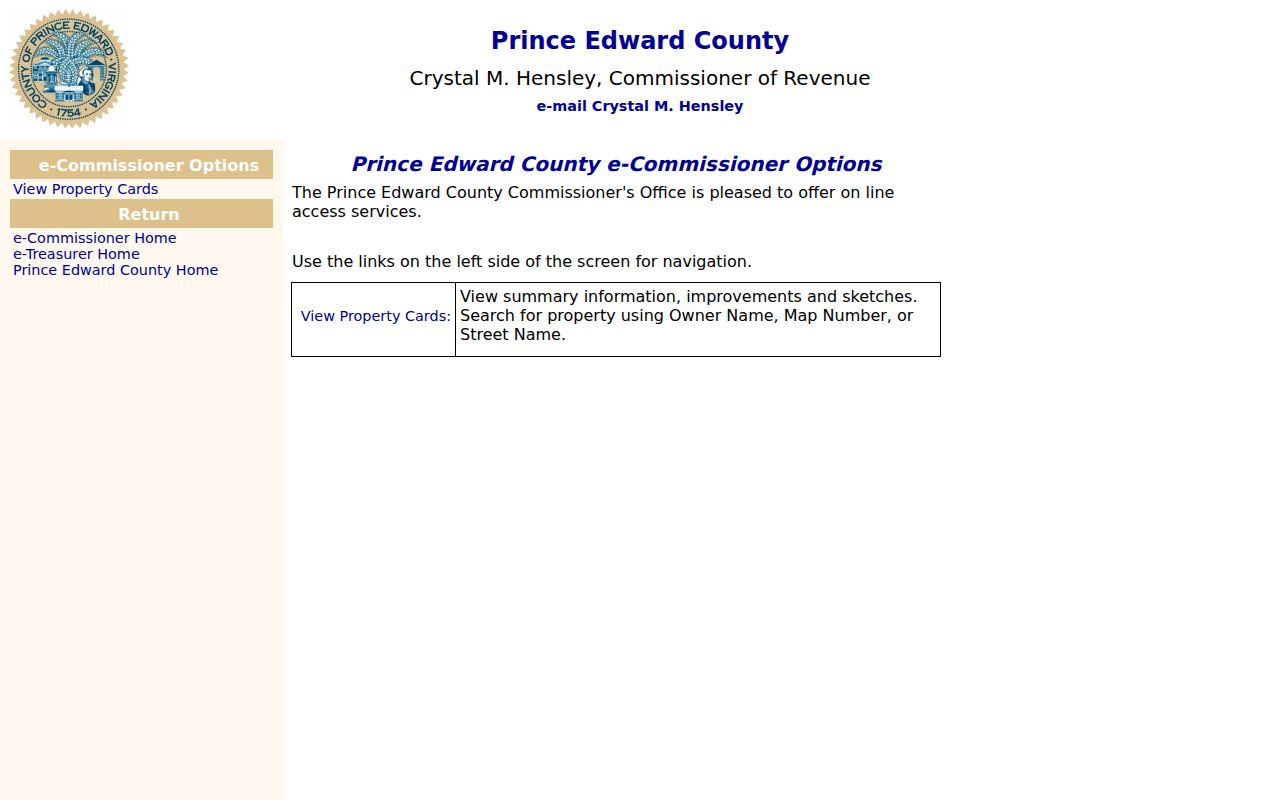
A portal result is only a lead. Compare its owner name and parcel against the latest recorded deed in Prince Edward County. Call the ownership question settled only then. Several public records carry an owner name, yet each answers a narrower one. The Commissioner roll holds county ownership and assessment figures. The Clerk's deed index lists the recorded parties. Treasurer Public Inquiry tracks tax-account activity. GIS maps the parcel geography. A Prince Edward County property search is strongest when the parcel number, legal description, and recorded deed all agree. Check those sources and see.
| Source | Owner Info It Gives | Access |
|---|---|---|
| Commissioner roll | County ownership and assessment record | County e-Commissioner link or office request |
| Circuit Court Clerk | Grantor, grantee, date, and recorded instrument citation | Virginia SRA, counter, or focused request |
| Treasurer | Account, GPIN, bill, and payment history | Public Inquiry or office; not a title source |
| County GIS | Parcel shape and map context | Interactive map; plats and deeds control legally |
Reach for the Virginia SCC only when the grantee is a business entity. An assessor result may list an owner string and a mailing address. But it cannot prove where a person actually lives. The Town's permits and zoning records describe municipal work on the land. None of them names the legal owner in place of the county tax roll. So the Prince Edward County property records remain the authority on who owns a parcel.
Mailing and Situs in Prince Edward County
Every parcel has two addresses. The situs address points to the land itself. The mailing address tells the county where tax bills and notices go. These often don't match. An owner of record may live out of state. The owner may hold the parcel through a business entity, or simply prefer a different mailing destination. The mailing line is one field in a public record. It is not proof of where someone physically lives. Prince Edward County property records should be read that way.
Farmville brings its own wrinkle. The town crosses the Appomattox River into Cumberland County. So a 23901 ZIP code tells you nothing about which county holds the deed. Before contacting a Clerk or Commissioner, confirm the county named on the deed. Then compare the selected parcel against the Town GIS corporate-limits layers. Hampden-Sydney, meanwhile, is just an unincorporated community in the county. It has no separate owner-record office of its own.
Estate Transfers and Prince Edward County Owners
Estate transfers can show up in Prince Edward County deed records under several names. You might find the decedent listed, or an executor, administrator, trustee, or successor instead. The Circuit Court Clerk keeps the estate files and wills. The transfer itself may take the form of a fiduciary deed, an executor's or administrator's deed, a deed of distribution, or a court order. Search the deed index for both the decedent and the fiduciary. Then ask whether the estate file sits locally or in an archive.
Virginia vital records follow their own access rules. Birth records open to the public after 100 years. Death, marriage, divorce, and annulment records open after 25, subject to legal exceptions. Keep in mind that a death certificate proves a death occurred. It conveys no land. The recorded deed or court order establishes the transfer. Family papers serve only as context.
Future Owner Activity Notices
The Circuit Court Clerk connects users to VADeed Alert. This free service flags newly recorded activity matching a name or Tax Map/Parcel ID. A property owner can use it to watch for a later instrument filed against a parcel. It cannot tell you who owns a parcel today. It also cannot reconstruct transfers that happened before you enrolled. Each alert should send you back to the underlying deed or lien document. There you can compare the legal description against the property at issue.
Reach the service through the Clerk's official page. Keep alert notices alongside the instrument citation. If something looks off, report the discrepancy to the Clerk directly. Do not rely on an email subject line.
Limits of a Prince Edward County Owner Search
"Who owns" is not one question. In Prince Edward County it might mean the name on the tax roll, the newest grantee in a deed, or whoever occupies the building. County public records support the first two answers. Occupancy is another matter, and it should never be inferred from documents. A tax roll can lag behind a recorded sale. A deed index alone proves nothing about marketable title. Virginia's Address Confidentiality Program also lets participants use a substitute mailing address, and sealed court records or protected vital records stay closed.
Lawful use. Use a Prince Edward County owner lookup for property due diligence, title research, assessment questions, or house history. Do not use names or addresses to threaten, stalk, or harass a person.
For the current roll owner and freshness caveats, see the current owner record details. A professional title search is needed when the legal effect of a chain must be determined.